

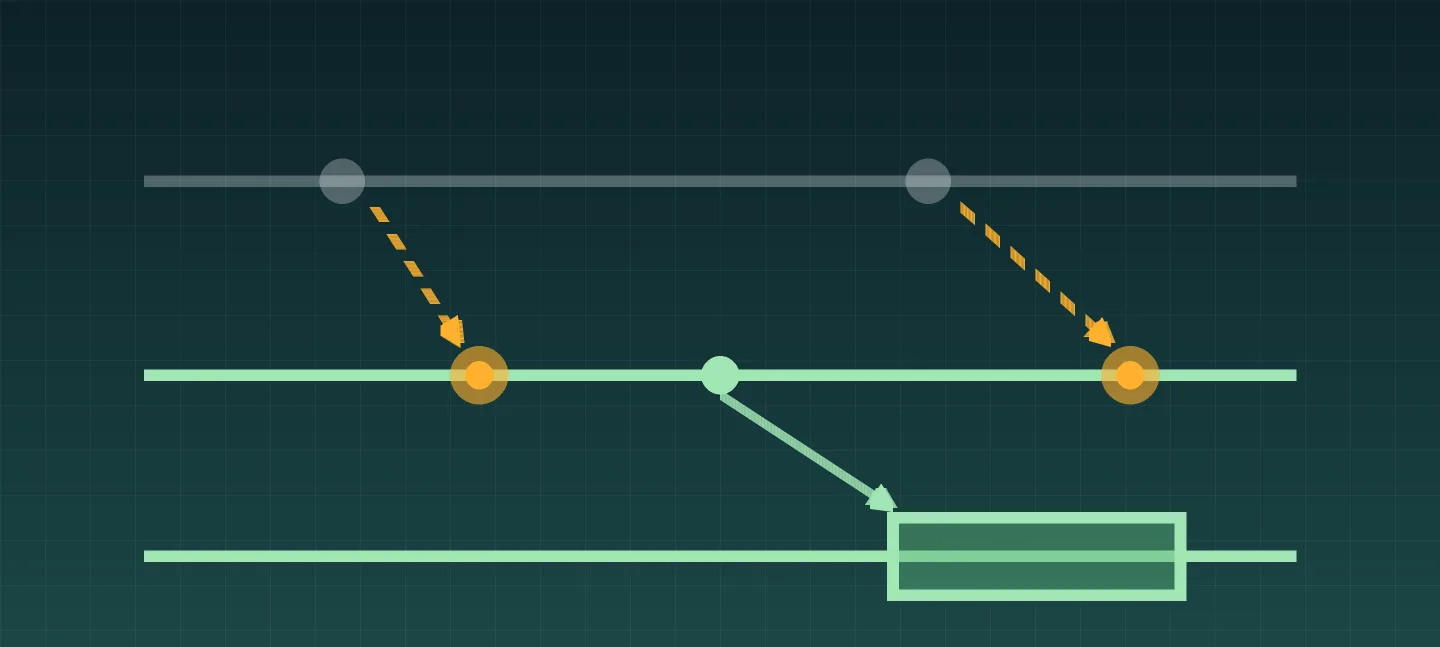
Regulation (EU) 2026/1744, known as the Digital Omnibus on AI, changes when and how the EU AI Act applies to high-risk systems. For plants and machine builders that use AI in machinery or safety functions, two changes matter most: later application dates, and a different legal route for machinery. This article summarises what the two sources we checked say and where they stop.
What happened
According to the Official Journal text on EUR-Lex, the regulation was adopted on 8 July 2026 and published on 24 July 2026. The text provides for entry into force on the third day after publication, which gives 27 July 2026. National Law Review, in an article dated 31 July 2026 by its byline, reports the same publication and entry-into-force dates.
New high-risk dates
The EUR-Lex recitals set two dates:
- 2 December 2027 for AI systems classified as high-risk under Article 6(2) and Annex III of the AI Act (Regulation (EU) 2024/1689).
- 2 August 2028 for AI systems classified as high-risk under Article 6(1) and Annex I, which covers AI embedded in products regulated by EU product law.
National Law Review describes the same shift. It lists employment, education, credit assessment, law enforcement and critical infrastructure as examples of stand-alone Annex III uses, and says these moved from 2 August 2026. It names machinery, medical devices and toys as examples of products under the 2028 date.
The machinery change
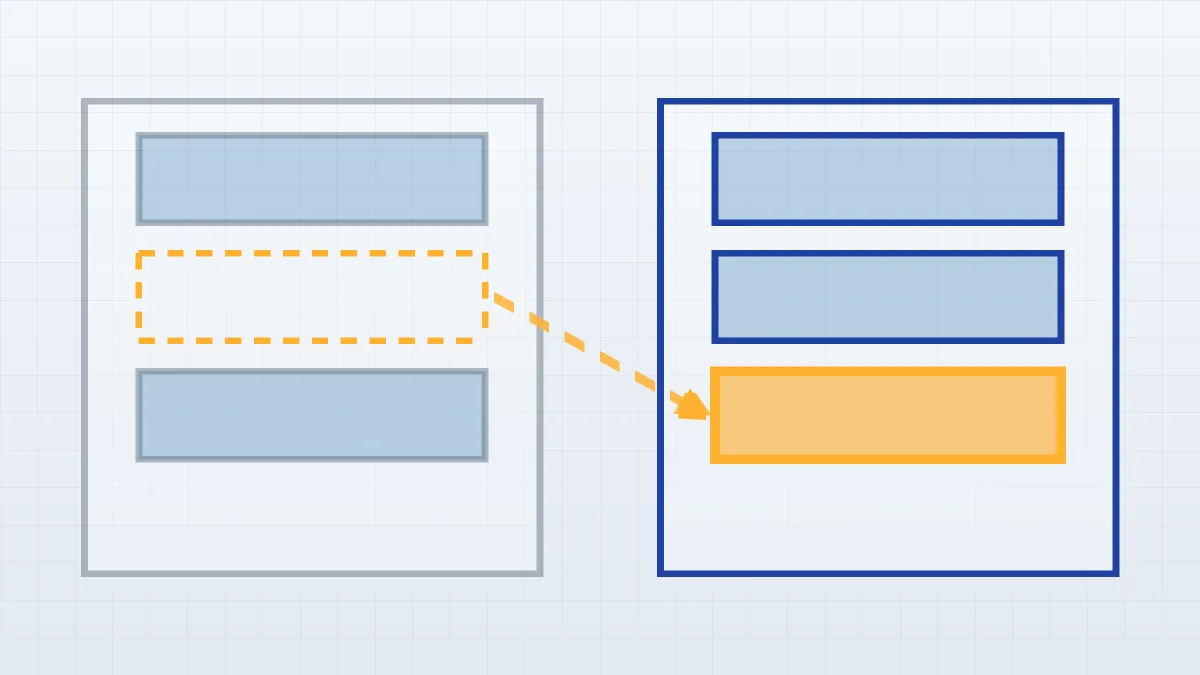
Recital 42 of the regulation states that the Machinery Regulation (EU) 2023/1230 moves from Section A to Section B of Annex I to the AI Act. The same recital says the Commission should adopt delegated acts amending Annex III to the Machinery Regulation, and that these acts should apply by 2 August 2028.
Our interpretation: the recitals suggest that machinery will get its AI requirements through machinery law, not directly from the AI Act. For a machine builder, the practical consequence would be that the relevant AI obligations arrive through the conformity framework of the Machinery Regulation, once the delegated acts exist. The sources do not say what those acts will contain.
What this means in practice
Our interpretation, not a statement from the sources:
- Projects that add AI to machinery or safety functions now have until at least August 2028 before the new requirements are expected to apply, but the specific technical requirements are still to be defined in delegated acts.
- Roadmaps that assumed direct AI Act duties for machinery from August 2026 should be revisited. The relevant track now appears to be the Machinery Regulation.
- Operators using AI in areas such as critical infrastructure should check whether the use falls under Annex III, which now has a December 2027 date, or under a product-embedded route with the 2028 date.
- Machine builders should follow the Commission's work on the delegated acts, since their content will set the actual design and documentation expectations.
What the sources do not say
- The EUR-Lex page was read only in part (the first 100,000 of about 180,000 characters). The operative articles that fix the dates and the entry-into-force provision were not verified. The dates above come mainly from recitals, which explain intent and are not themselves the binding provisions. Check the authentic Official Journal text before relying on them.
- Neither source describes what the machinery delegated acts will require, or how existing machinery already on the market will be treated.
- Neither source gives guidance on how to classify a specific plant system as Annex I or Annex III.
- Obligations that were not part of the sources we read, such as other AI Act dates, are not covered here.